
Were we made to be ruled? In our last post, we looked at Loki’s challenging assertion in The Avengers film: the idea that we were born to kneel, that we crave subjugation, and that we…
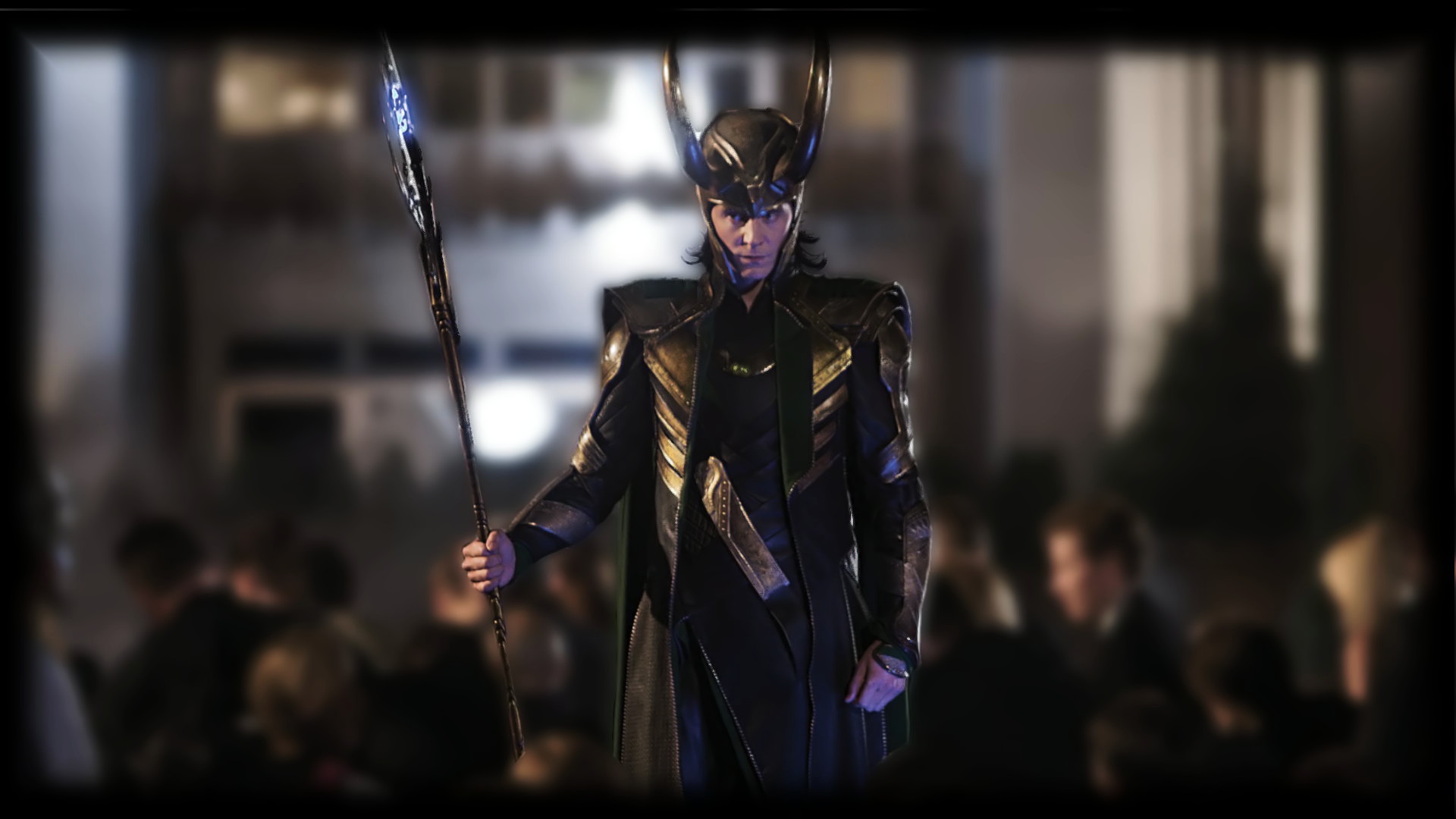
“Kneel before me. I said… KNEEL! Is not this simpler? Is this not your natural state? It’s the unspoken truth of humanity that you crave subjugation. The bright lure of freedom diminishes your life’s joy in a mad scramble for power. For identity. You were made to be ruled. In the end, you will always kneel.” – Loki
Were we made to kneel?
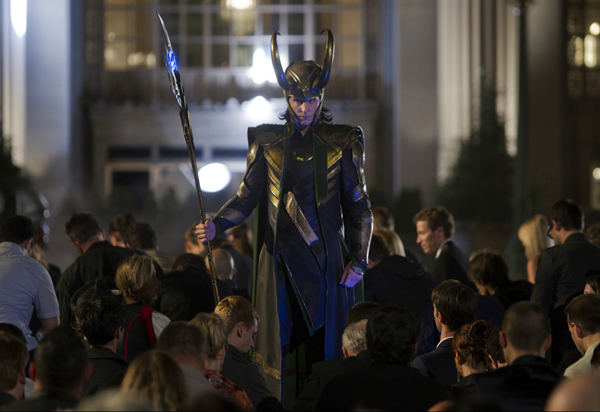 Let’s examine this, shall we? It’s not a particularly American sentiment, certainly. Even Optimus Prime would argue that “Freedom is the right of all sentient beings”. We don’t generally think of bowing to an Emperor or pledging our subservience to be in line with freedom (whereas other cultures have and do). Our first response to Loki’s statement is one that looks less like bended knee and more like a particularly raised finger. I suspect there will be rowdy cries of “hell, no!” in the theaters in response to Loki’s assertion.
The problem is, there’s truth in his words…
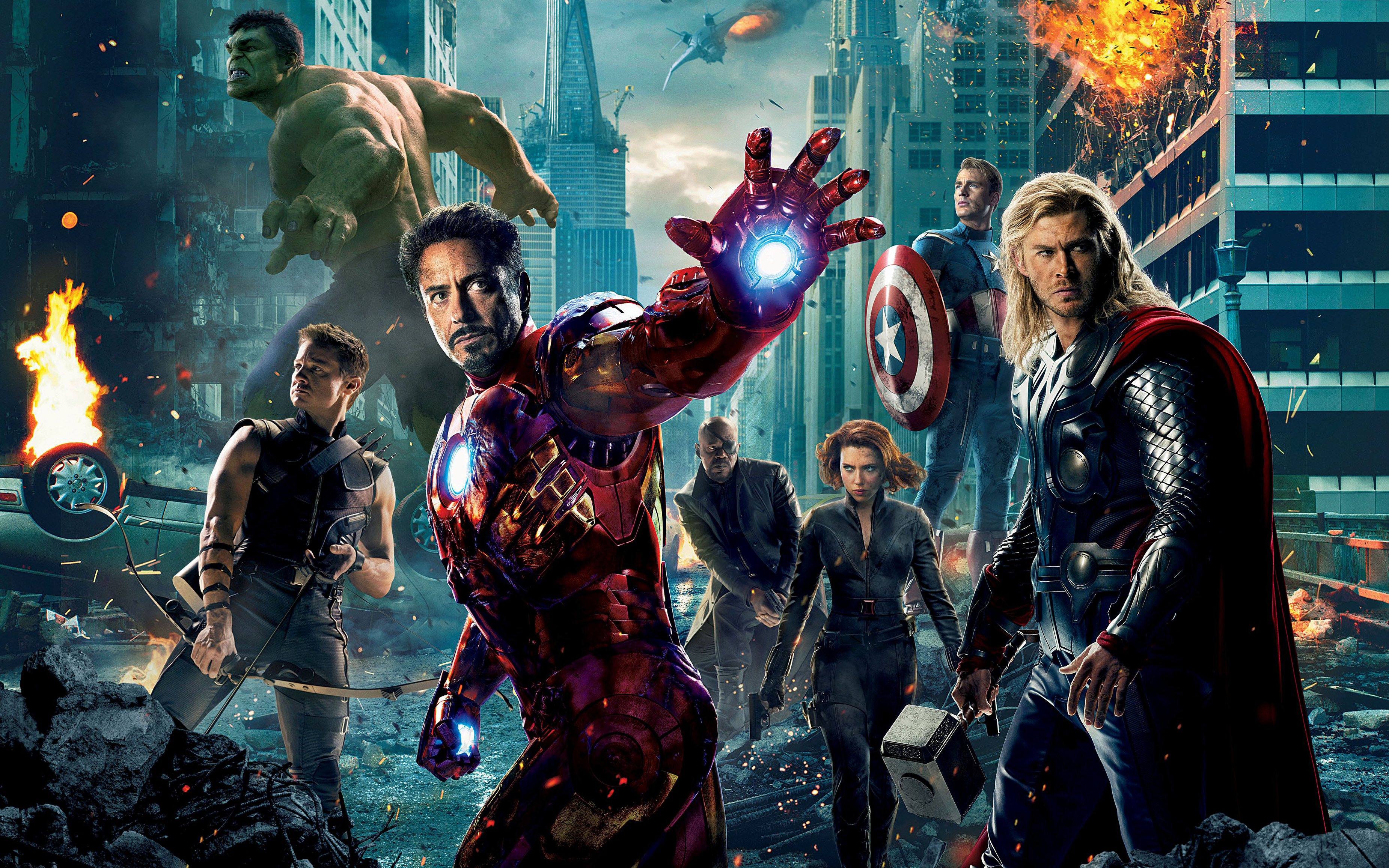
“KNEEL!” “Is not this simpler? Is this not your natural state? It’s the unspoken truth of humanity that you crave subjugation… You were made to be ruled. In the end, you will always kneel.” While…

While it’s not my favorite Marvel movie, I believe it’s the best-made of the Marvel movies thus far (we’ll see what Avengers does this Friday). From pacing to editing, story to cinematography, Captain America capitalizes…
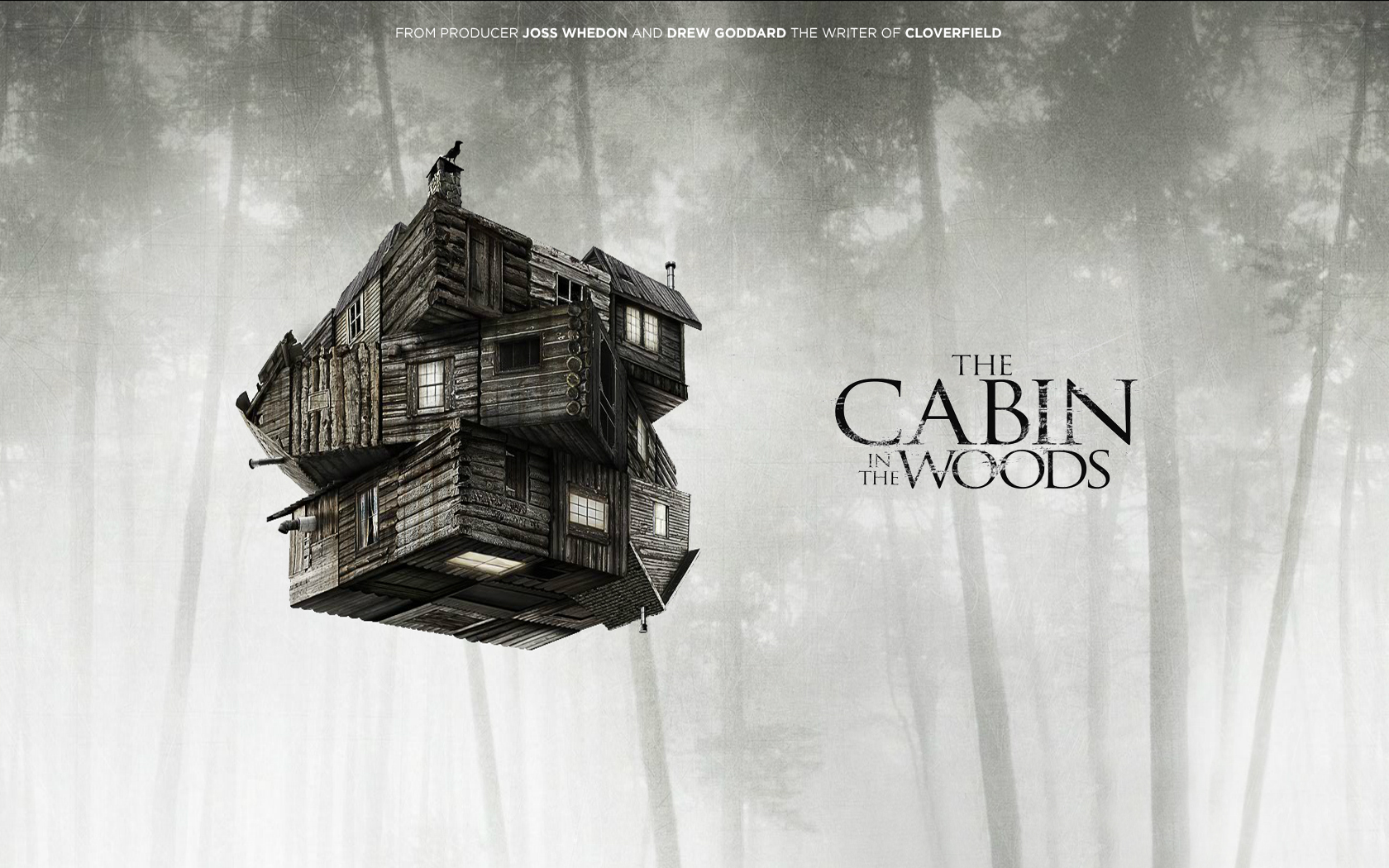
 The Cabin in the Woods takes a step back from the stereotypical horror movie to look at those who watch this classic, recycling narrative, this movie’s meta-commentary provides unique insights and conversation starters on why WE culturally create and watch scary movies, what it appeals to or appeases within us (and others) and what part “sacrifice” plays in dealing with humanity and atoning for our corporate transgression.
Fans of Buffy the Vampire Slayer, Angel, Firefly/Serenity and other endeavors involving Drew Goddard and Joss Whedon are sure to be pleased by this film, and I think it deserves three stars. Its content, however, is not for everyone.
The video review dances around the details and avoids the big spoilers: we’ll follow up with a spoiler-laden, written review later this week for those who want to go deeper. For more on why we engage scary movies and the horror movie in general, read this post.
Watch the review of The Cabin in the Woods on Youtube or on Cinemagogue here…
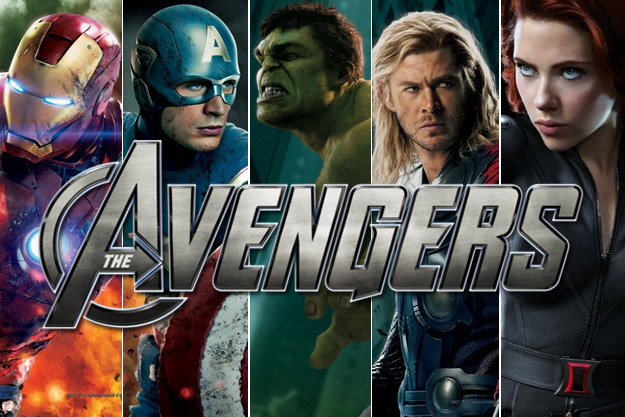
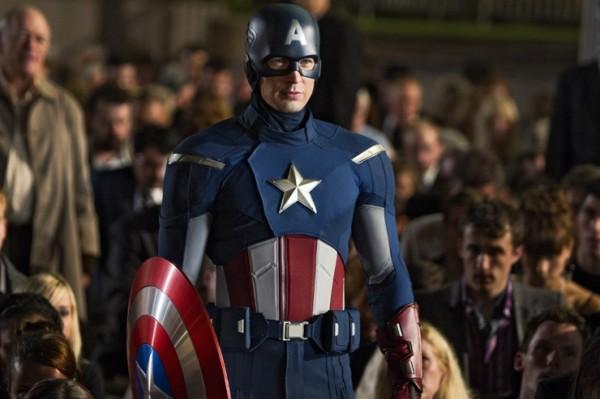
 There are so many places an Avengers movie could go, and so many “lessons” for each character to learn, it will be fascinating to see the narrative arc director Joss Whedon and his crew will focus on for the upcoming movie. Not only do we have the return of Loki and all the messages of fathers and sons, jealousy and pride inherent in the Thor film, we’re bringing together characters who, as Robert Downey Junior’s Tony Stark puts it delicately, “don’t play well with others”. That is, with the exception of Captain America’s Steve Rogers (Chris Evans), who is accustomed to a team from World War II. Perhaps that’s why the film’s two taglines are:
-
“Some Assembly Required”
-
“Every team needs a Captain”
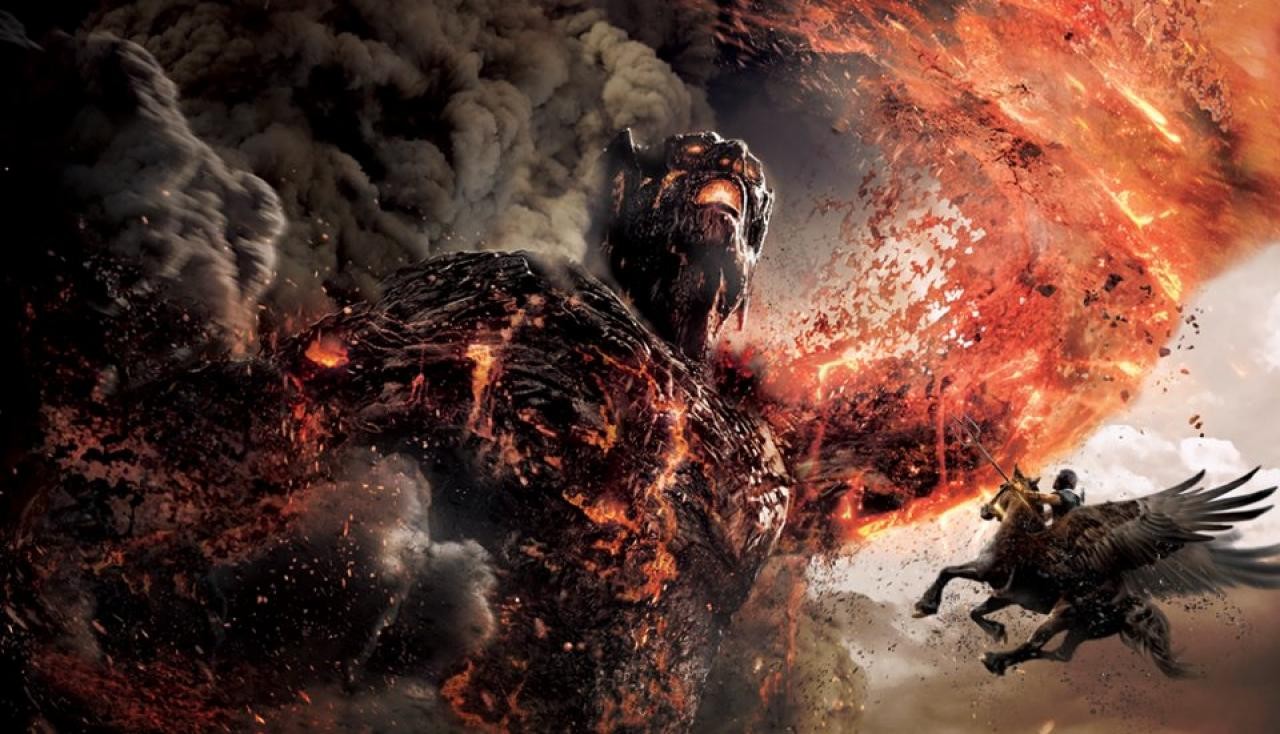
 Here’s a thankfully brief look at Wrath of the Titans, considering the real wrath you’ll feel is the almost unbearable price of watching this movie. If push comes to shove and you really want fantasy/action, watch the “Clash” again instead, with comparably better direction and actors. Still, if you find yourself really bored or at the cheap theater in your neighborhood, however, there are a few points to chew on as Sam Worthington limps and flits across the ancient Greek CGI landscape.
The film isn’t sure what to do with the concepts of prayer, hanging the film’s major problem on our lack of it yet depicting “gods” that aren’t worthy of it either. Better yet, we find a the god of the underworld in a scene lamenting that there isn’t any life after death. Yes, I’m serious.
Less Iliad and Odyssey than idiots and audacity, Wrath of the Titans still winds up revealing some of our own culture’s confusion with prayer, and our collective fear that the material existence is all there is.
Watch on Youtube or using the browser below.
 I promised a *spoiler-filled follow-up to the video review for The Hunger Games, as the ideas of identity and substitution can’t be fully discussed without wrestling key elements of the plot for the first film and entire trilogy. So, for those who are already fully vested (or those who don’t mind knowing how things end up after things start Catching Fire and the Mockingjay sings) count down from 10 and enter the arena below.
Someone noted on our Youtube post that I shouldn’t take the idea of Katniss’ substitution as completely paralleling Christ’s ultimate proxy, since Jesus substituted himself for the unworthy. Prim is presented as weak, but rather innocent, not a stranger or a sinner. The question, “would Katniss have offered herself in her sister’s place had her sister committed some crime worthy of death?” is thought provoking, but obviously not the focus of Suzanne Collin’s narrative arc for Katniss. (Maybe if she’d substituted herself for the mangy cat, Buttercup…)
However, someone else in the series does sacrifice quite a bit, for a character whose worthiness is questionable.

“Hope, it is the only thing stronger than fear.”
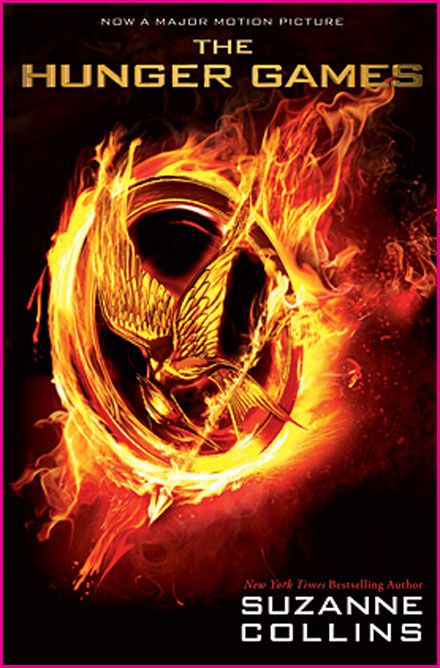 They didn’t get everything right. I know, I know, we were ALL disappointed with what Katniss was wearing at the opening ceremonies in the film adaptation of Suzanne Collins’ New York Times Bestseller, The Hunger Games. The CGI fire just didn’t do it justice, and Jennifer Lawrence looked like she was wearing a leftover stillsuit from Dune. Still, since my wife Kat and I read the trilogy just a month before the film came out, I still stand by the fact that it’s one of the faithful adaptations of a book done, period. From the great casting (most notably Donald Sutherland and Woody Harrelson) to the deft line of bloody-yet-PG-13 violence, everything save for the costumes was superb.
Since Cinemagogue’s focus isn’t really playing fashion police, however, we’ll move on. Like peasants of Pan Em clued to the arena telecast, this film is dominating the box office and the hearts and minds of viewers and critics, and likely will win out over Good Friday and Easter weekend. I think this is appropriate, since the pivotal ideas of identity and substitution – proxy, tribute, sacrifice – play such key roles in the film, a little glimmer of what this holiday weekend is all about as Jesus offered himself in our place.
Whether you’ve seen the film or read the book, you can check out this Spoiler-free video review. We’ll follow up with a written review addressing other elements that can only be addressed by revealing key plot points.
Watch on Youtube or using the browser below.