
Category: text reviews

As we’re preparing a book based on the theory, application, challenges and practice of what we do here with Cinemagogue (hoping to inspire more replication, transformation, edification and even evangelism) I tried to choose some…
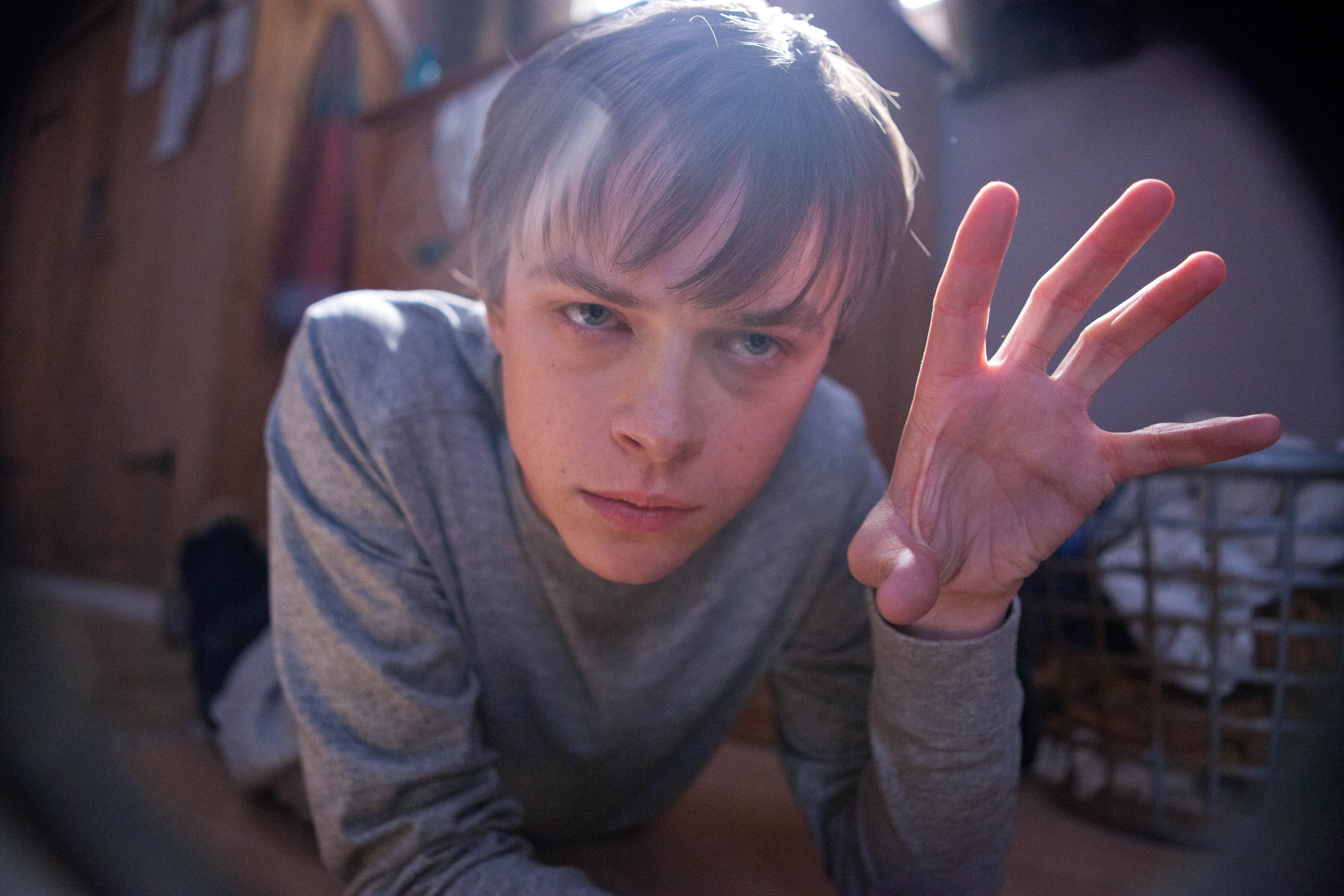
“There’s something wrong with Andrew.” Chronicle (now available on Blu-Ray and DVD) takes the best of found footage films like Cloverfield, the original heart of the quality-sagging series Heroes, and gives us a more intimate look…
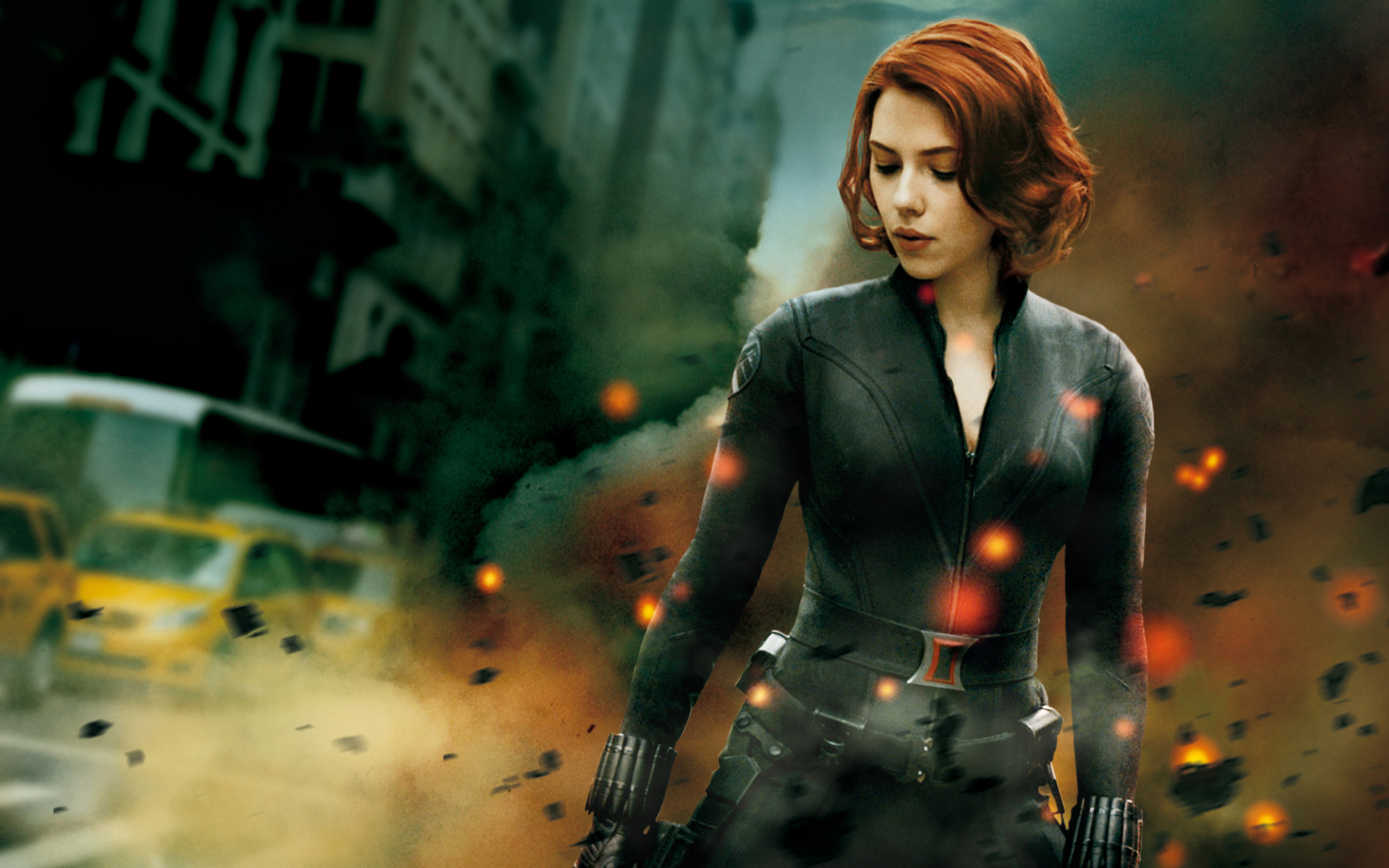
“I’ve got red in my ledger; I’d like to wipe it out.” We can’t call our musing about The Avengers‘ narrative themes “fully assembled” without addressing the most obvious line stated by Natasha Romanoff, admitting…
A friend of mine challenged my assertion that Loki was the best of the Marvel movie villains. As we debated (imagine the verbal equivalent of hammers, shields, and repulsor rays) it became clear he thought…
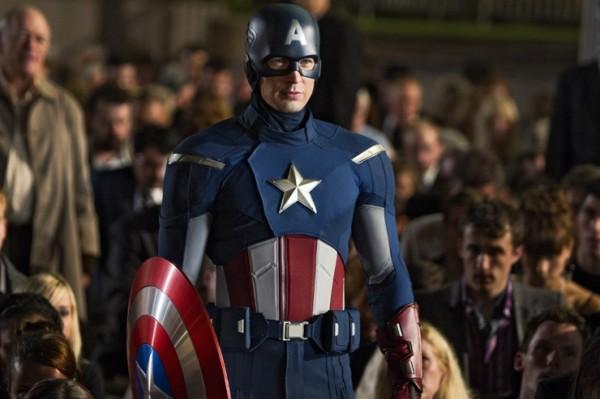
Were we made to be ruled? In our last post, we looked at Loki’s challenging assertion in The Avengers film: the idea that we were born to kneel, that we crave subjugation, and that we…
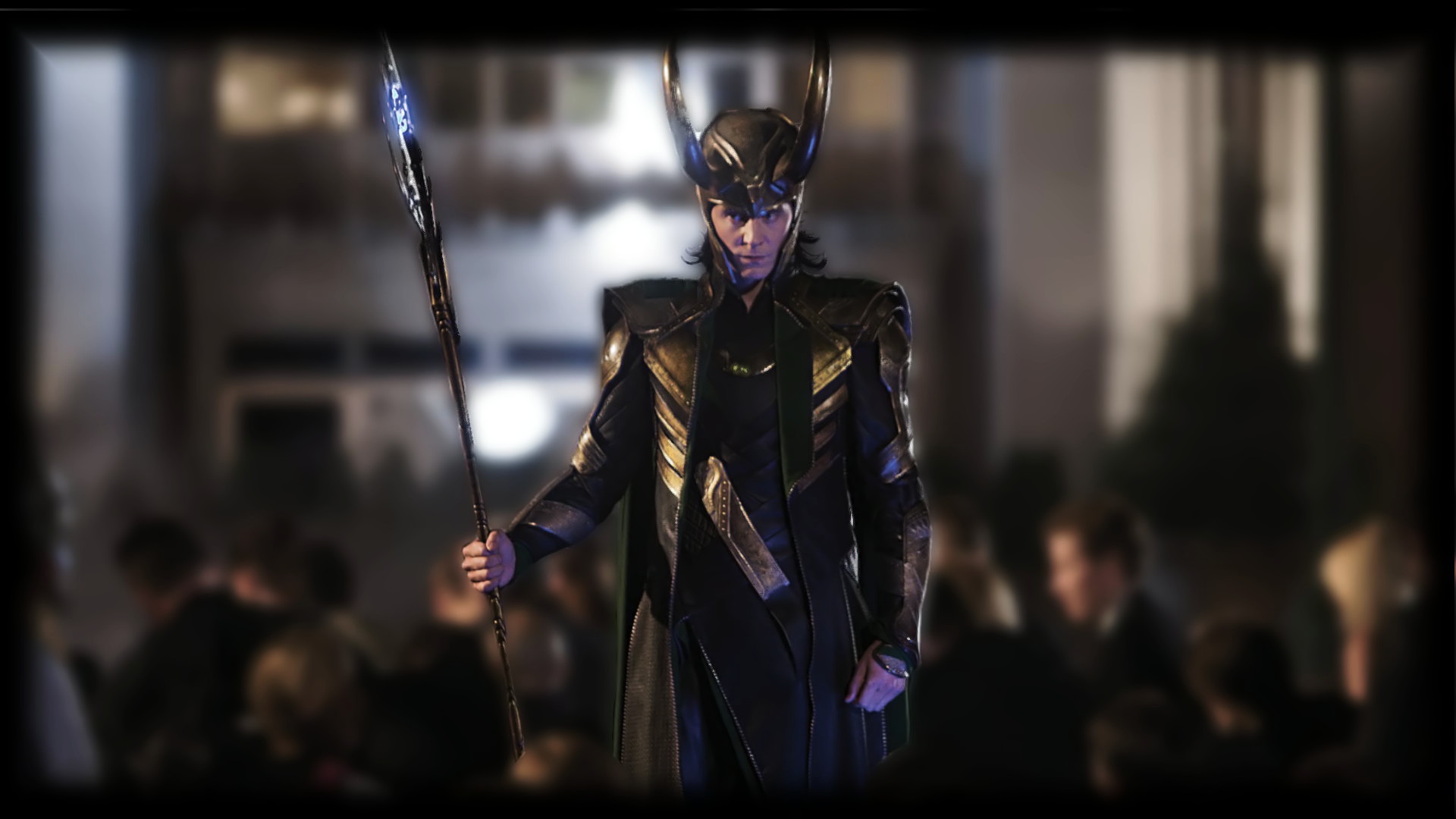
“Kneel before me. I said… KNEEL! Is not this simpler? Is this not your natural state? It’s the unspoken truth of humanity that you crave subjugation. The bright lure of freedom diminishes your life’s joy in a mad scramble for power. For identity. You were made to be ruled. In the end, you will always kneel.” – Loki
Were we made to kneel?
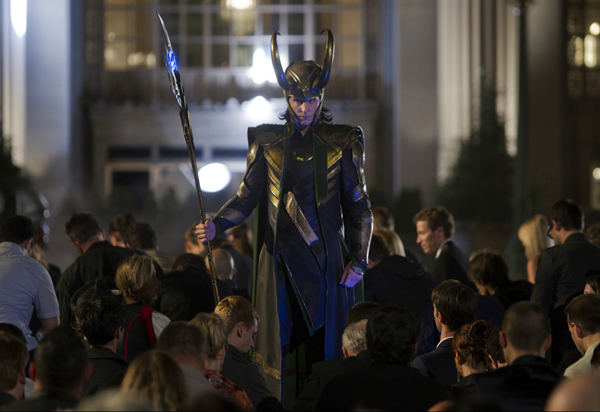 Let’s examine this, shall we? It’s not a particularly American sentiment, certainly. Even Optimus Prime would argue that “Freedom is the right of all sentient beings”. We don’t generally think of bowing to an Emperor or pledging our subservience to be in line with freedom (whereas other cultures have and do). Our first response to Loki’s statement is one that looks less like bended knee and more like a particularly raised finger. I suspect there will be rowdy cries of “hell, no!” in the theaters in response to Loki’s assertion.
The problem is, there’s truth in his words…

While it’s not my favorite Marvel movie, I believe it’s the best-made of the Marvel movies thus far (we’ll see what Avengers does this Friday). From pacing to editing, story to cinematography, Captain America capitalizes…
 I promised a *spoiler-filled follow-up to the video review for The Hunger Games, as the ideas of identity and substitution can’t be fully discussed without wrestling key elements of the plot for the first film and entire trilogy. So, for those who are already fully vested (or those who don’t mind knowing how things end up after things start Catching Fire and the Mockingjay sings) count down from 10 and enter the arena below.
Someone noted on our Youtube post that I shouldn’t take the idea of Katniss’ substitution as completely paralleling Christ’s ultimate proxy, since Jesus substituted himself for the unworthy. Prim is presented as weak, but rather innocent, not a stranger or a sinner. The question, “would Katniss have offered herself in her sister’s place had her sister committed some crime worthy of death?” is thought provoking, but obviously not the focus of Suzanne Collin’s narrative arc for Katniss. (Maybe if she’d substituted herself for the mangy cat, Buttercup…)
However, someone else in the series does sacrifice quite a bit, for a character whose worthiness is questionable.
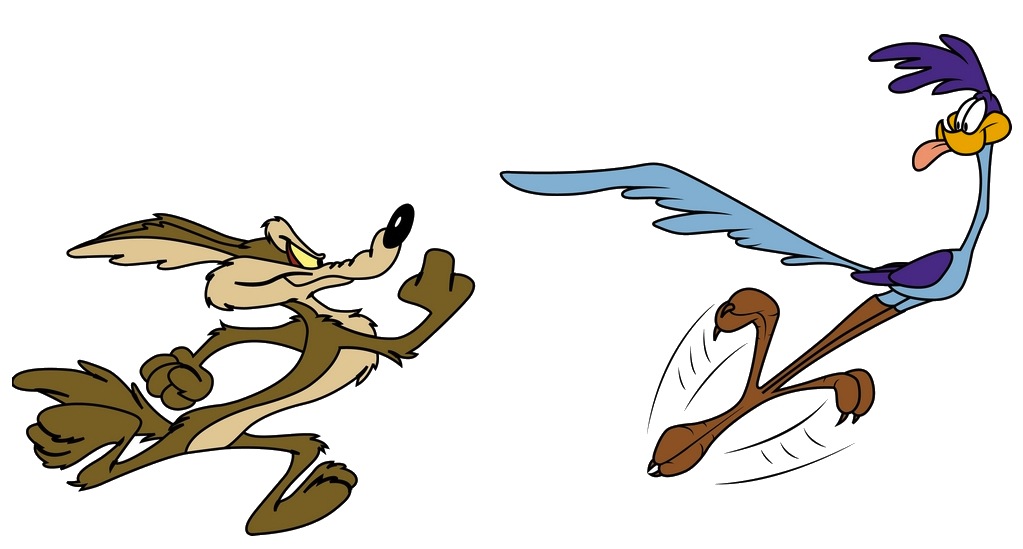 I grew up on Looney Tunes, but my favorite – by far – were the ones featuring the Wile E. Coyote and the Road Runner. Now that several decades have passed, having witnessed the 575th anvil fall on the head of poor Carnivorous Vulgarus and the 963rd rock crush his emaciated canine body, I had to ask myself: why do we like these Looney Tunes – and particularly this one – so much? Why has he endured (particularly with so many concussions and bodily trauma)?
If you’ve never seen an episode, you can check out the classic “Fast and Furryous” (NOT a film with Vin Diesel) HERE.