
Author: James Harleman
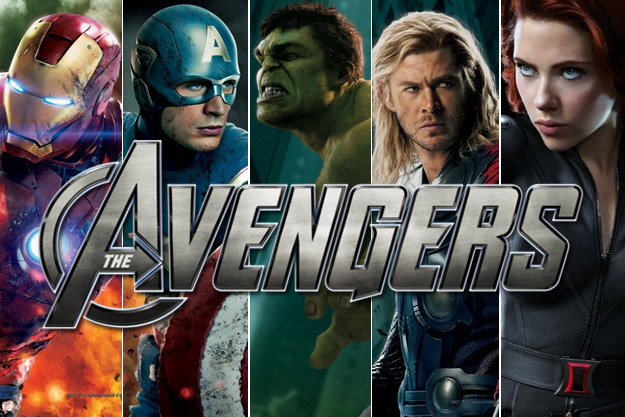
 There are so many places an Avengers movie could go, and so many “lessons” for each character to learn, it will be fascinating to see the narrative arc director Joss Whedon and his crew will focus on for the upcoming movie. Not only do we have the return of Loki and all the messages of fathers and sons, jealousy and pride inherent in the Thor film, we’re bringing together characters who, as Robert Downey Junior’s Tony Stark puts it delicately, “don’t play well with others”. That is, with the exception of Captain America’s Steve Rogers (Chris Evans), who is accustomed to a team from World War II. Perhaps that’s why the film’s two taglines are:
-
“Some Assembly Required”
-
“Every team needs a Captain”
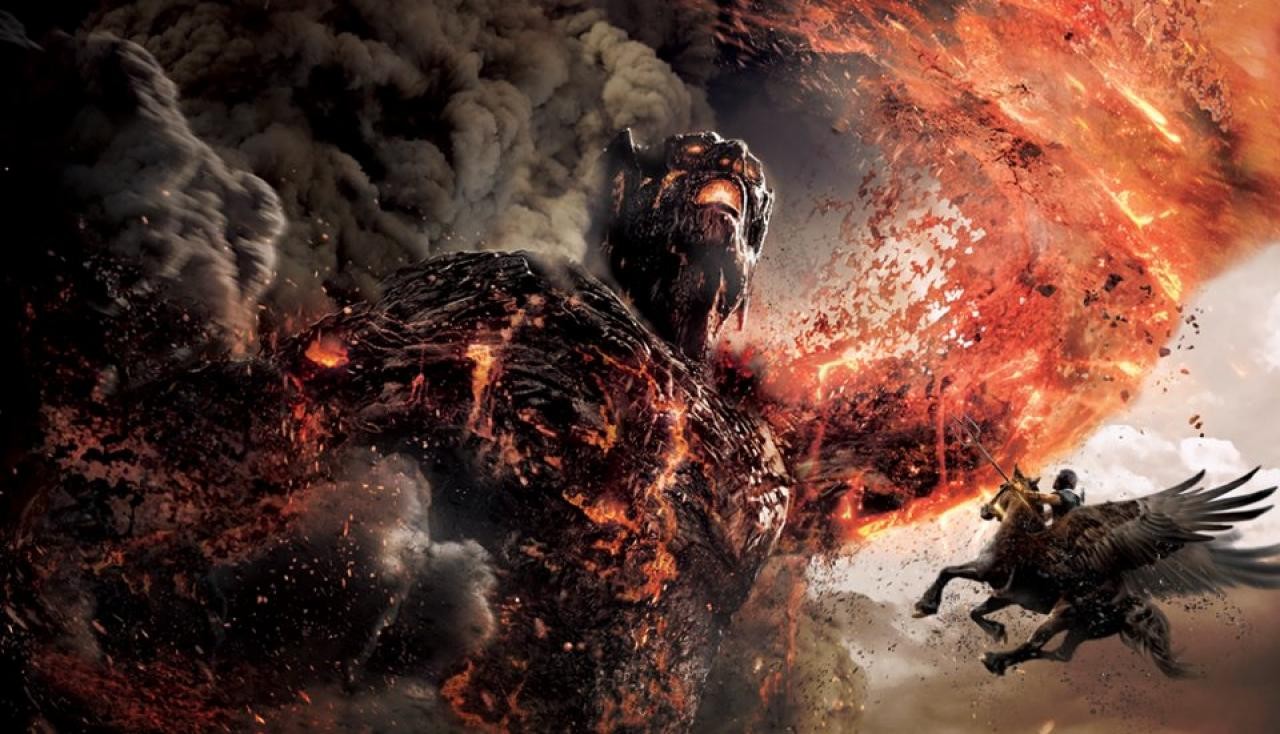
 Here’s a thankfully brief look at Wrath of the Titans, considering the real wrath you’ll feel is the almost unbearable price of watching this movie. If push comes to shove and you really want fantasy/action, watch the “Clash” again instead, with comparably better direction and actors. Still, if you find yourself really bored or at the cheap theater in your neighborhood, however, there are a few points to chew on as Sam Worthington limps and flits across the ancient Greek CGI landscape.
The film isn’t sure what to do with the concepts of prayer, hanging the film’s major problem on our lack of it yet depicting “gods” that aren’t worthy of it either. Better yet, we find a the god of the underworld in a scene lamenting that there isn’t any life after death. Yes, I’m serious.
Less Iliad and Odyssey than idiots and audacity, Wrath of the Titans still winds up revealing some of our own culture’s confusion with prayer, and our collective fear that the material existence is all there is.
Watch on Youtube or using the browser below.
 I promised a *spoiler-filled follow-up to the video review for The Hunger Games, as the ideas of identity and substitution can’t be fully discussed without wrestling key elements of the plot for the first film and entire trilogy. So, for those who are already fully vested (or those who don’t mind knowing how things end up after things start Catching Fire and the Mockingjay sings) count down from 10 and enter the arena below.
Someone noted on our Youtube post that I shouldn’t take the idea of Katniss’ substitution as completely paralleling Christ’s ultimate proxy, since Jesus substituted himself for the unworthy. Prim is presented as weak, but rather innocent, not a stranger or a sinner. The question, “would Katniss have offered herself in her sister’s place had her sister committed some crime worthy of death?” is thought provoking, but obviously not the focus of Suzanne Collin’s narrative arc for Katniss. (Maybe if she’d substituted herself for the mangy cat, Buttercup…)
However, someone else in the series does sacrifice quite a bit, for a character whose worthiness is questionable.

“Hope, it is the only thing stronger than fear.”
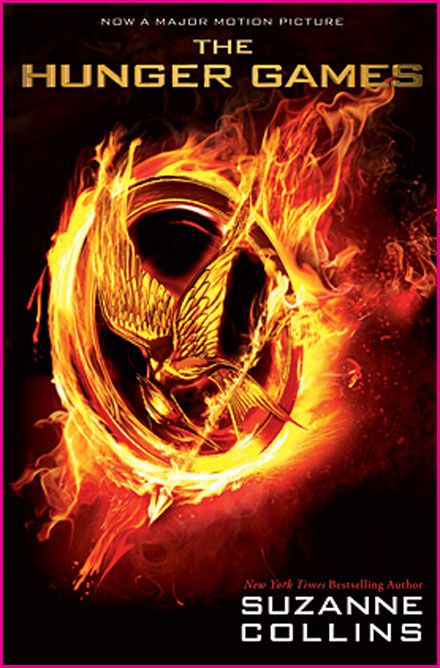 They didn’t get everything right. I know, I know, we were ALL disappointed with what Katniss was wearing at the opening ceremonies in the film adaptation of Suzanne Collins’ New York Times Bestseller, The Hunger Games. The CGI fire just didn’t do it justice, and Jennifer Lawrence looked like she was wearing a leftover stillsuit from Dune. Still, since my wife Kat and I read the trilogy just a month before the film came out, I still stand by the fact that it’s one of the faithful adaptations of a book done, period. From the great casting (most notably Donald Sutherland and Woody Harrelson) to the deft line of bloody-yet-PG-13 violence, everything save for the costumes was superb.
Since Cinemagogue’s focus isn’t really playing fashion police, however, we’ll move on. Like peasants of Pan Em clued to the arena telecast, this film is dominating the box office and the hearts and minds of viewers and critics, and likely will win out over Good Friday and Easter weekend. I think this is appropriate, since the pivotal ideas of identity and substitution – proxy, tribute, sacrifice – play such key roles in the film, a little glimmer of what this holiday weekend is all about as Jesus offered himself in our place.
Whether you’ve seen the film or read the book, you can check out this Spoiler-free video review. We’ll follow up with a written review addressing other elements that can only be addressed by revealing key plot points.
Watch on Youtube or using the browser below.
What are you looking forward to this year?
 Personally, I see a particularly compelling slate of films that, from my perspective, create a fascinating landscape for exploration and conversation. We’ve already had Chronicle, The Grey, and The Hunger Games, all providing some intriguing looks at human nature, from depraved to animalistic and, finally, sacrificial. Coming up tomorrow is Wrath of the Titans, looking at relationships between flawed gods and their equally compromised and confused men.
A Hunger Games review will hit the site this weekend, although I’ll be in costume somewhere amidst rows of graphic novels at the Emerald City Comic Con. I thought it might be good to lay down a primer on the films coming up in the spring and summer. It’s one thing to read a spiritual review with meganarrative comparisons after seeing the film, but the real question is are we all developing a hunger to walk into the theater and engaging the films in a deeper way that stimulates our growth and ability to see God’s story? We’ll look at some of my favorites coming up in the ensuing months (follow the links below for the film trailers):
Should Christians gamble?
Do we know what the Bible says about it, or do we simply carry unquestioned assumptions? While there are some areas of consensus that emerge from a sound theology and application of the Bible, the way the real-life Christians approach their interplay with Blackjack in Holy Rollers: The True Story of Card-Counting Christians pulls the rug out from some of the traditional arguments. Maybe what they’re doing isn’t even gambling! It also raises other intriguing questions. This video review takes a look at the film directed by Bryan Storkel as his crew as they follow this card-counting “church team” in a unique and captivating documentary.
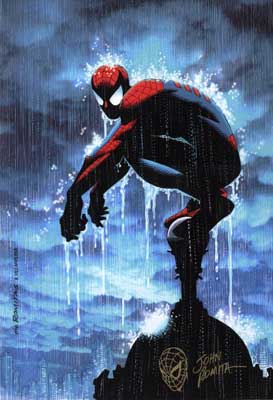 As mentioned in our last post, Hollywood is determined to keep Spider-man swinging strong in the new film out this summer. I uncovered an audio review for my favorite flick in the franchise, Spider-man 2 (and I’m far from alone in that assessment) and not just because my favorite Spidey villain was always Doctor Octopus. Part 1 dealt more generically with the comic book character, so here is part 2 (which assumes you’ve seen the 2004 film and contains spoilers).
What the film tackles brilliantly is the primary characters and how ALL of them – protagonist and antagonist, and those inbetween – operate out of some form of obsession. We also pit Peter Parker’s axiom and claim to “responsibility” against the fullness of his actions, and discuss the unstable foundation of guilt that actually spurs him on. Lastly, the poster campaign proclaimed this film would deal with three particular concepts…
 In June, The Amazing Spider-man will swing into theaters, take us on a high rise ride over an IMAX-sized city and even kick us in the face straight through our 3D glasses. Personally, I’m excited for the fresh take on our friendly neighborhood wall-crawler, and don’t even mind the gimmicky format. My 3 reasons?
- If any hero seemed suited for 3D, it’s the web-swinging Peter Parker. (Classic artist John Romita practically drew him EXPLODING off the page into your face.)
- I’m happy just to have something to wash the taste of that third movie out of my mouth, something that ISN’T a musical with songs by Bono. In both cases, we know that Spider-man should swing, not dance.
- Finally, I can’t deny I love Denis Leary, who has a prominent role as Gwen Stacy’s father and the police captain chasing our misunderstood web-head. If you haven’t seen the most recent trailer, check it out.
What’s so special about Spider-man anyway?

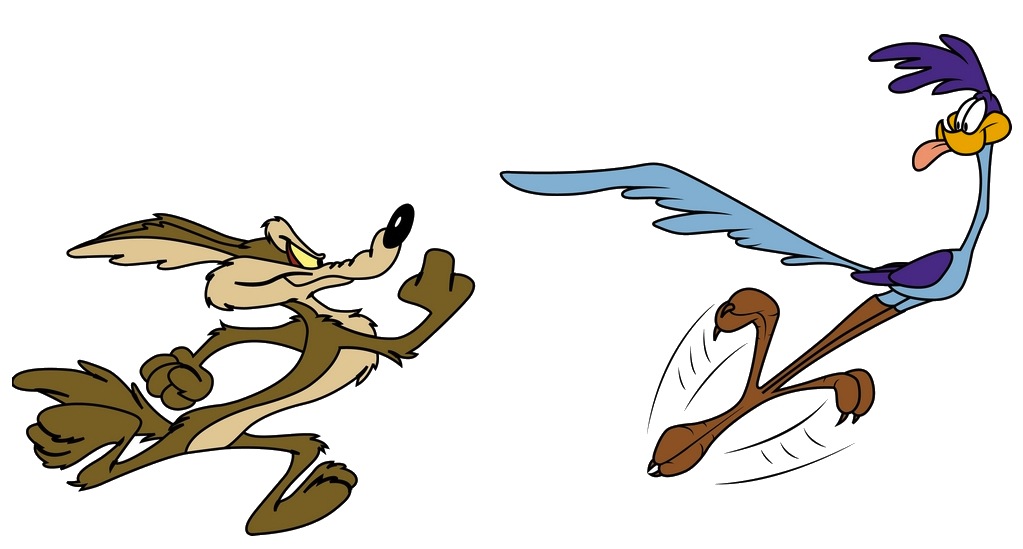 I grew up on Looney Tunes, but my favorite – by far – were the ones featuring the Wile E. Coyote and the Road Runner. Now that several decades have passed, having witnessed the 575th anvil fall on the head of poor Carnivorous Vulgarus and the 963rd rock crush his emaciated canine body, I had to ask myself: why do we like these Looney Tunes – and particularly this one – so much? Why has he endured (particularly with so many concussions and bodily trauma)?
If you’ve never seen an episode, you can check out the classic “Fast and Furryous” (NOT a film with Vin Diesel) HERE.
“It couldn’t be any worse than the first one,” I convinced myself… and am reminded sharply that I shouldn’t always listen to that voice in my head. Ghost Rider: Spirit of Vengeance was an artistic nightmare that fails on almost EVERY level… yet surprisingly hits three biblical truths…
 One of my favorite films of 2011, J.J. Abrams’ flashback/homage to the classic works of Spielberg taps into 4 essential components of his filmmaker’s late 70s to early 80s films:
- panoramic, storybook skylines
- extraterrestrials disrupting suburban, middle-class life
- relational struggles between parent/child
- excessive use of lens flare
You can just feel the entire film is a narrative expression of J.J. looking at Steven saying “I love you man!” However, the film isn’t just your typical, monster/alien-incursion-forces-coming-of-age-story…
“You don’t believe in ghosts, do you?”
 The Woman in Black has been a book, a play, and a 1989 film prior to the most recent incarnation in the 2012 film starring Daniel Radcliffe. Each time the query and frightening prospect remain the same: what if we linger after death, our unresolved issues lingering in our ghostly soul, creating ghastly results for those left behind? This notion, of the spectral spirit that brings death, is what Arthur Kipps (Radcliffe) encounters when he visits a remote village on business.

Dealing with Loss
A young man, in an understated yet appropriate performance for a post-Potter Radcliffe, Kipps is haunted already by the death of his wife and with mixed feelings for the son she left behind. Adding more loss, with a dead woman and endangered children, the situation makes him confront his own feelings and fears about death and coping with loss. People who have suffered the death of loved ones show the viewer the range of human emotions, from stoic to withdrawn, from irritable to irrational.